COUNTDOWN TO 2027 NIGER STATE GENERAL ELECTIONS
0Days
:
00Hours
:
00Mins
:
00Secs
NIGER STATE 2027 • SOCIAL DEMOCRATIC PARTY (SDP)

A New Dawn for Niger State: Integrity, Justice & Boundless Prosperity

Social Democratic Party (SDP) Gubernatorial Standard Bearer for Niger State 2027. Empowering our farmers, securing our communities, uniting our people.

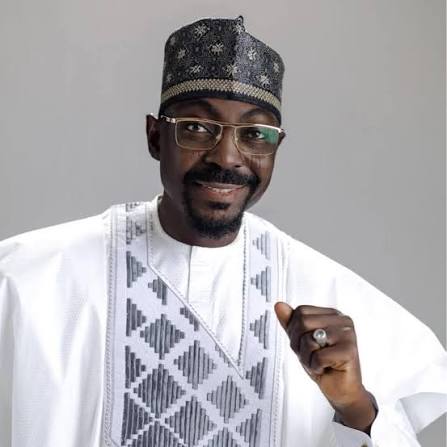
Dr. Mohammed Ndarani
Governorship Candidate
Dr. Mohammed Ndarani, SAN
FCIArb, Constitutional Jurist
Japhet Pada Samson
Deputy Governor Candidate
Japhet Pada Samson
Grassroots Mobilizer & Administrator

3D Animated Election Countdown Timer

Target Date: March 6, 2027 (08:00 AM WAT)
SDP Victory 2027
0
Days
00
Hours
00
Mins
00
Secs
SDP Party Logo
Dr. Mohammed Ndarani Mohammed, SAN
Japhet Pada Samson

Deputy Candidate

Japhet Pada Samson

Standard Bearer 2027

Dr. Mohammed Ndarani Mohammed, SAN

Senior Advocate of Nigeria • Next Executive Governor of Niger State

25 LGAs
Grassroots Presence
274 Wards
Ward Action Teams
4,950+
Polling Unit Agents
Leadership You Can Trust

Meet the SDP 2027 Niger State Gubernatorial Candidates

A tested legal luminary and a grassroots youth development champion united by a transformative manifesto for all 25 Local Government Areas.
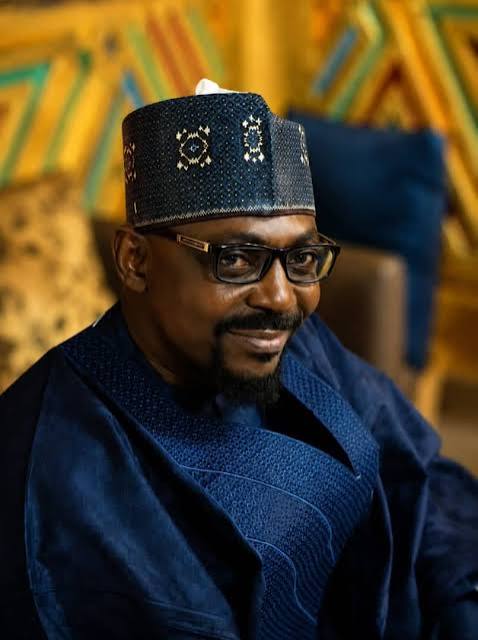
Dr. Mohammed Ndarani Mohammed, SAN
SAN • Constitutional Jurist

Dr. Mohammed Ndarani Mohammed, SAN

SDP Gubernatorial Candidate, Niger State 2027

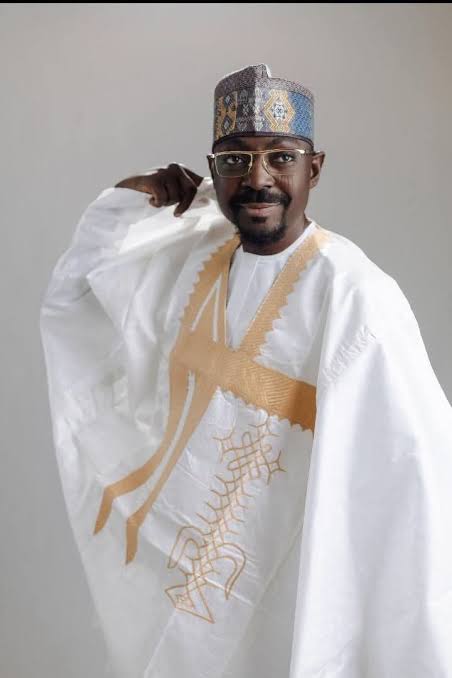
Dr. Ndarani in White Agbada
Official Portrait
Rule of Law
30+ yrs legal practice
Ph.D in Law
FCIArb & Public Policy
Profile of Courage & Vision

His Excellency, Dr. Mohammed Ndarani Mohammed, SAN

FCIArb, Ph.D • Gubernatorial Candidate for Niger State

Eminent Senior Advocate of Nigeria (SAN), distinguished constitutional scholar, philanthropist, and transformational leader committed to the total rebirth of Niger State through the Rule of Law, massive rural electrification, agricultural industrialization, security overhaul, and youth digital empowerment.

Key Transformational Pillars For Niger State:

Agro-Allied Industrial Revolution

Transform Niger State's fertile lands into Africa's primary food basket with subsidized farm mechanization, guaranteed price floors, and export-grade processing zones.

Smart Security & Forest Guard Architecture

Multi-layered tactical surveillance, community-led forest vigilance corps, modern intelligence drones, and welfare boost for grassroots security operatives.

Free Healthcare & Universal Quality Education

Renovation of all 274 Ward primary health centres, digitized technical colleges, teachers' salary enhancement, and STEM scholarship funds.

Infrastructural Arteries & Hydro-Power Advantage

Harnessing Shiroro, Kainji, and Jebba hydro potentials for dedicated 24/7 industrial electric corridors, interconnecting all 25 Local Government Areas with asphalt networks.

The People's Manifesto 2027–2031

A New Dawn for Niger State: The People's Manifesto

Fourteen costed pillars. Every naira traceable. A government that can be checked, publishes what it spends, and answers for what it fails to deliver.

01 · A Message from the Candidate

Fellow citizens: the office of Governor is a public trust, kept by rules, records and results. As a Senior Advocate of Nigeria, I have spent my career arguing that the law belongs to everyone, not only the rich. I ask for your vote for a government that can be checked, publishes what it spends, and answers for what it fails to deliver.

Our state is rich and our people are not. That is the whole case for this manifesto. Niger State sits on two of Nigeria's great rivers, hosts three hydropower stations, and holds gold, talc, kaolin, granite and iron ore. None of it is organised for the household. The commitments here organise it, pillar by pillar, each with a cost and a funding source attached.

Our vision: a Niger State where a young person finds work without leaving home, a farmer sells at a fair price, and a hospital has power at night. We measure ourselves against those outcomes, not our budget.

Dr. Mohammed Ndarani Mohammed, SAN
SDP Gubernatorial Candidate, Niger State 2027

Our Vision & Guiding Principles

  • The rule of law first. Every contract, licence and land title will be awarded under published rules and open to audit.
  • Public money for public goods. The state's own contribution will go where private capital will not: security, regulation, water, schools, clinics and the poorest households.
  • Private capital for productive assets. Where a road, a plant or a data centre can earn a return, we will bring in investors rather than borrow the whole cost.
  • Host communities are partners, not bystanders. Mining, power and land projects will carry signed benefit arrangements before they break ground.
  • Nothing hidden. Every pillar in this manifesto will report its spending and results publicly once a year.
Every naira we spend must be a naira the people can trace.

02 · The Fourteen Pillars at a Glance

Fourteen pillars, costed at about $5,110M for 2027–2031; the state is asked for about $715M directly, roughly 14%. Indicative USD planning estimates, to be confirmed by feasibility studies and independent costing before the first budget.

Programme Value
$5,110M
State Contribution
$715M
Mobilised from Partners
86%

03 · How We Will Pay For It

The state contributes about $715M, roughly 14 percent of the programme. The remaining 86 percent comes from private investors, public‑private partnerships, development finance institutions and federal programmes. State money goes where private money will not: security, regulation, water, clinics and classrooms.

Internally generated revenue and statutory federal allocationA state bond or sukuk subject to Debt Management Office approvalPublic‑private partnershipsBank of Industry, Development Bank of Nigeria, Infrastructure Corporation of Nigeria, and pension funds under PenCom infrastructure rulesRural Electrification Agency, African Development Bank, World Bank, International Finance Corporation, JICA, US DFC, Chinese policy banks and contractorsGreen Climate Fund and carbon creditsMining royalties and host community funds
A Bond Is Not a Shortcut

Borrowing goes to the Debt Management Office for approval. Every loan is published with its terms, purpose and repayment source. We won't sign a facility whose repayment depends on an indefensible projection.

04Pillar

Agriculture & Agricultural Technology

Year‑round irrigation, mechanisation, agro‑processing in every senatorial zone

Total Value: $450MState Share: $70M (16%)

Where We Are

  • •Agriculture employs more of our people than any other activity, yet most of it is rain‑fed, small in scale and sold unprocessed.
  • •Our farmers work hard and earn little because the value is added somewhere else, and because there is no cold room, no mill and no dependable road between the farm and the buyer.
  • •Two great rivers cross the state, and we irrigate a fraction of the land they could water.

Our Commitments

  • Complete and equip irrigation schemes on the Niger and Kaduna river corridors, and hand them to farmer cooperatives with clear water rights.
  • Establish at least one agro‑processing zone in each of the three senatorial zones, with power, water and road access.
  • Lease tractors and harvesters through a state mechanisation scheme paid for by the season, not by cash up front.
  • Rebuild rural access roads linking farms to markets and to the processing zones.
  • Run a state extension service with trained agents in every local government, working with our universities and research institutes.
  • Guarantee off‑take agreements for staple crops and publish a state price and market information service.

Indicative Cost & Funding

ComponentCost (USD)Main Funding Sources
Irrigation and water infrastructure$120MAfDB, World Bank, IsDB, state
Mechanisation and equipment leasing$70MBoI, DBN, private lessors
Agro‑processing zones and cold storage$110MPrivate investors, PPP, Afreximbank
Seeds, research and extension$60MState, federal, partners
Rural roads and market access$50MState, federal, World Bank
Programme management and monitoring$40MState
Total$450MState's Direct: $70M

The state's direct contribution is $70M, about 16 percent of the pillar. It pays for the irrigation works we own, the extension service and the rural roads. The larger share is raised from development banks, private processors and equipment lessors who earn their return from the assets themselves.

Lessons from Abroad

China

Rural modernisation turned subsistence farming into a supply chain when processing stayed close to the farm — the value remained in the county instead of leaving it.

Japan

Agricultural cooperatives show that smallholders who buy inputs, store, process and sell together get prices and terms no individual farmer can negotiate alone.

United States

The extension service built on land‑grant universities meant research reached the farm gate through agents paid to teach rather than to sell.

By 2031

Every local government has a working irrigation or water scheme. At least one agro‑processing zone operates in each senatorial zone. Farmers sell on contracts at published prices, and a far smaller share of our harvest leaves the state unprocessed than does today.

Jobs & Revenue by 2031

Direct Jobs
120,000
Indirect Jobs
240,000
Sector Revenue
$600M annual sector revenue
Revenue to State
$20M annual revenue to state

Irrigation and farm service centres in every local government, plus agro‑processing zones. Farm, processing, transport and input‑supply work is counted.

18 ·

Where Niger State Stands: The 2026 Budget

Before we promise anything, we show what the state has to work with. These are the figures in the approved 2026 budget and the Debt Management Office's debt record to June 2026. Dollar amounts are converted at a planning rate of ₦1,332 to the dollar.

₦1.074T
2026 Budget
₦783.7B
Capital Budget
₦133.3B
Independent Revenue
₦69.3B
Debt Service

Where the money comes from

LineAmountShare
Share of federal allocation (FAAC)₦464.8B43.3%
Independent (internally generated) revenue₦133.3B12.4%
Recurrent revenue subtotal₦598.1B55.7%
Aid and grants₦101.2B9.4%
Capital development fund receipts₦374.6B34.9%
Other receipts subtotal₦475.9B44.3%
Total approved budget₦1,073.99B100.0%

Where the money goes

LineAmountShare
Personnel cost₦114.4B10.6%
Other non‑debt recurrent spending₦106.6B9.9%
Debt service₦69.3B6.5%
Recurrent expenditure subtotal₦290.3B27.0%
Capital expenditure₦783.7B73.0%
Total approved budget₦1,073.99B100.0%

What we owe

DebtAmountWhat it means
Domestic debt stock, 30 June 2026₦140.0BAbout ₦140B
External debt, 30 June 2026$183.06MAbout ₦243.8B at ₦1,332
External debt, December 2025$140.59MUp $42.47M in six months
External debt, December 2024$67.21MUp 2.7× by June 2026
External debt, December 2023$68.06MFlat to December 2024

What the numbers tell us

  • •The state depends on Abuja. Federal allocation is 77.7% of recurrent revenue; independent revenue is only 22.3% and just 12.4% of the whole budget.
  • •The budget is built for capital spending. Capital expenditure is 73.0% of the total, against 27.0% for recurrent costs — the right shape for a state that wants roads, water and power.
  • •The capital budget is only as good as its funding. Of the ₦783.7B, ₦475.9B comes from aid, grants and the capital development fund.
  • •Debt service takes 11.6% of recurrent revenue — manageable, but external debt has risen about 2.7× in eighteen months, and it is in dollars while our revenue is in naira.
  • •Personnel cost takes 19.1% of recurrent revenue, so there is room to pay workers well and still invest, if revenue grows.

Funding the state contribution of $715M (≈ ₦952B)

Reprioritised capital budget₦600B · 63.0%
Share of new project revenue reinvested₦146B · 15.3%
A state bond within DMO limits₦90B · 9.5%
Aid, grants and capital development fund matched to projects₦60B · 6.3%
Procurement and payroll savings, and closed leakages₦56B · 5.9%

Our promises on money

  • Raise independent revenue by digitising collection in all 25 local governments and sealing leakages, and publish the figure every quarter.
  • Hold debt service at or below 15% of recurrent revenue. It is 11.6% today.
  • Borrow for projects that earn money or save money, never to pay running costs.
  • Prefer naira and hedged borrowing, and take on new dollar debt only for projects that earn dollars.
  • Publish the full debt record — lender, interest rate, purpose and repayment date — every quarter.
  • Release capital funds on schedule and publish what was budgeted, released and spent for every project.
What a bond could carry

Keeping debt service at 15% of recurrent revenue leaves headroom of about ₦20B a year over today's ₦69.3B. As an illustration only, assuming an 18% rate over ten years, that supports new borrowing of about ₦90B, or roughly $68M. The Debt Management Office and the market will set the real limit and price.

19 ·

The Funding Plan in Full

The programme costs $5,110M across five years, and no single purse carries it. Six sources of capital share the load, each tied to the kind of project it can fund. The state's own contribution is the smallest share of the six but the one that proves the plan belongs to Niger State.

$5,110M
Programme cost
$715M
State contribution
14%
State share
Private investors, concessions & PPPs
Energy parks, data centre campuses, industrial clusters, airport concession
38%
Development finance institutions & multilateral banks
Water schemes, transmission lines, health and education infrastructure
22%
Federal programmes and agencies
Trunk roads, agriculture, power transmission, security equipment
12%
Niger State direct contribution
Counterpart funding, land assembly, host‑community trusts, delivery unit
14%
BoI, DBN, pension funds & commercial banks
SMEs, housing, agricultural value chains, working capital
10%
Carbon, climate and diaspora funds
Reforestation, clean cooking, climate adaptation, diaspora ventures
4%

Yearly phasing

YearProgramme spendingState contribution
2027$450M$90M
2028$1,200M$170M
2029$1,500M$190M
2030$1,200M$160M
2031$760M$105M
Total$5,110M$715M

How the state raises its $715M

  • •Internally generated revenue: digitised collection across every local government, with leakages at markets, motor parks and mineral sites closed.
  • •Statutory federal allocation: the state's share, budgeted honestly and released on time.
  • •Savings from procurement reform and the removal of ghost workers from the payroll.
  • •A state bond or sukuk raised within Debt Management Office limits, tied to revenue‑generating projects.
  • •Mining royalties and land value capture along the corridors where new industrial land is opened.

Conditions we accept

  • Independent costing and feasibility studies for every project above $10M, completed before a contract is signed.
  • Open competitive procurement, with no sole‑sourcing outside the law.
  • Publication of every contract, its value and its beneficiary on a portal any citizen can read.
  • A project delivery unit that reports to the Governor and publishes monthly progress.
  • An independent audit every year, and ring‑fenced accounts for host‑community trusts and for water and power revenues.

The shares and the yearly phasing are planning figures, not contracts already signed. They will be revised once the independent costing studies are complete, and every revision will be published.

20 ·

Jobs & Revenue: What Each Sector Delivers

332,050
Direct jobs
753,650
Indirect jobs
1,085,700
Total jobs
$115M
State revenue / year
SectorDirectIndirectTotal jobsSector rev/yrState rev/yr
Agriculture and agri‑tech120,000240,000360,000$600M$20M
Mining and minerals25,00060,00085,000$400M$15M
Power generation6,00025,00031,000$250M$8M
Bitcoin mining6002,4003,000$170M$6M
Data centres4502,2502,700$60M$3M
Education30,00050,00080,000EnablingEnabling
Health care and medical tourism12,00030,00042,000$120M$6M
AI and technology8,00020,00028,000$80M$3M
Manufacturing and industrialization60,000150,000210,000$900M$30M
Clean water supply4,00012,00016,000$45M$2M
Real estate and low‑cost housing40,000100,000140,000$600M$15M
Security8,00010,00018,000EnablingEnabling
Tourism15,00040,00055,000$70M$4M
Air transportation3,00012,00015,000$60M$3M
Total332,050753,6501,085,700$3,355M$115M

Across the twelve sectors that earn money, we expect about $3,355M of sector revenue a year at full run rate. The state's own take — through taxes, licence fees, tariffs, land and stamp fees and its share of community agreements — is about $115M a year, or roughly ₦153B at ₦1,332. That would more than double today's independent revenue of ₦133.3B, to about ₦286B a year, before any ordinary growth. That gain comes from a bigger economy, not from heavier taxes on the people we serve.

How we reached these numbers

  • •Jobs follow the investments in each pillar chapter. Labour‑heavy sectors such as farming, manufacturing, housing and mining carry most of the jobs.
  • •Indirect jobs are counted at between two and five times direct jobs, depending on the sector.
  • •Revenue is the annual figure once projects reach full run rate, expected from 2031.
  • •The state's revenue is only what the state itself collects. Some taxes and most mineral royalties go to the federal government.
  • •Many construction jobs end when the building ends. They are counted because they matter now, but the permanent jobs are in operations, farming, factories, health and teaching.

Every figure here is an indicative planning estimate. Bitcoin mining revenue depends on the Bitcoin price and can halve or double. We will publish the real jobs and revenue for every project each year, and correct these estimates when the feasibility studies are done.

21 ·

Lessons from Seven Countries at a Glance

China
Special economic zones work when infrastructure, permits and customs sit inside one boundary under one authority.
Manufacturing, AI & Technology
South Korea
State‑directed credit and export discipline turned small firms into national champions.
Manufacturing, Education
Japan
Industrial policy succeeds when ministries coordinate and quality standards are enforced.
Manufacturing, Education
Rwanda
Community health insurance and clean, readable public services build trust faster than slogans.
Health Care, Clean Water
United States
Flexible large loads can steady a grid when the market rules are written first.
Power Generation, Bitcoin Mining
Mauritius
A small economy moves up the value chain through tourism, finance and disciplined regulation.
Tourism, Housing
Ethiopia
Aviation, energy‑intensive industry and industrial parks can be built around one strong national carrier.
Air Transportation, Manufacturing
22 ·

Where the Power-Hungry Projects Will Be

Every heavy load is placed where the water, the wires and the workforce already are, and nowhere else. The table fixes the sites that the feasibility studies will test first.

FacilityLocationWhy thereCooling & water
Bitcoin mining Energy ParkJebbaBeside the Jebba hydro plant and its switchyardClosed‑loop liquid cooling, dry coolers, no freshwater draw
Bitcoin mining Energy ParkKainjiAt the Kainji dam and its transmission corridorClosed‑loop liquid cooling, waste heat reused in the park
Bitcoin mining Energy ParkNew BussaNear the dam township and its existing workforceClosed‑loop liquid cooling, dry coolers
Bitcoin mining Energy ParkShiroroAt the Shiroro plant on the Kaduna riverClosed‑loop liquid cooling, dry coolers
Data centre campusMinnaCapital, fibre landing and the airportAir‑cooled halls, treated greywater for non‑potable use
Data centre campusJebba or ShiroroDirect access to generation and transmissionClosed‑loop cooling, water reused on site
Data centre campusSuleja and TafaClose to Abuja demand and the Lagos to Kano corridorAir‑cooled, no potable water
Edge nodeBidaRegional commerce and the education corridorPassive cooling, no water
Edge nodeKontagoraNorthern trade route and security coordinationPassive cooling, no water
Edge nodeNew BussaLake corridor and tourism servicesPassive cooling, no water
People's power and water come first

No park and no campus takes a litre of drinking water or a megawatt that a household, a clinic, a school or a farm needs. Where supply is tight, the industrial load waits.

23 ·

Our First 100 Days

The first hundred days are for facts, repairs and rules, not ribbon cutting. Each action below begins work that the full term finishes.

1Audit state finances, assets and liabilities, and publish the opening balance.
2Publish baseline data for every pillar: what exists, what works and what does not.
3Review every mining licence and begin the state geological survey.
4Stand up a joint security task force with federal agencies and publish its reporting line.
5Begin repair of the failed water schemes in the worst‑served wards.
6Rehabilitate primary health centres and restock essential medicines.
7Start embedded generation and solar deployment at state facilities.
8Launch the digital land registry in Minna and two pilot local governments.
9Deliver agricultural inputs ahead of the planting season.
10Publish the Bitcoin and data centre regulatory framework and complete site feasibility studies.
11Approve the Minna airport upgrade plan and open concession talks.
12Establish the housing delivery agency and identify its first sites.
24 ·

How We Will Measure Progress

A promise without a measure is a speech. Each pillar carries one headline indicator, published every quarter, and a commitment that the next government can be judged against in 2031.

Agriculture & Agri‑Tech
Indicator: Hectares under improved inputs and off‑taker contracts
2031: Every ward has a working extension officer and a mapped value chain
Mining & Minerals
Indicator: Licences reviewed, formalised and royalties remitted
2031: Every artisanal site formalised and royalties paid into state accounts
Power Generation
Indicator: Megawatts available to state industry and households
2031: Homes and clinics served before industrial load
Bitcoin Mining
Indicator: Registered mining load and its share of grid revenue
2031: Every operator licensed, metered and paying the state tariff
Data Centre
Indicator: Certified capacity and water use per megawatt
2031: Campus water use published and capped by permit
Education
Indicator: Literacy and completion rates in public schools
2031: Every child in a public school taught by a qualified teacher
Health Care & Medical Tourism
Indicator: Facilities with drugs, staff and power
2031: Primary health centres open and staffed in every ward
AI & Technology
Indicator: Public services delivered digitally
2031: State services transacted online without a bribe
Manufacturing & Industrialization
Indicator: Registered firms and jobs in industrial clusters
2031: Industrial land serviced and occupied in every zone
Clean Water Supply
Indicator: Households with safe water within a short walk
2031: Failed schemes repaired and under community management
Real Estate & Housing
Indicator: Housing units delivered and titled
2031: Titles issued digitally and delivered homes occupied
Security
Indicator: Response time and incidents reported
2031: Every local government runs a coordinated response plan
Tourism
Indicator: Visitors and revenue shared with host communities
2031: Host‑community trusts funded and published
Air Transportation
Indicator: Passengers and cargo through Minna airport
2031: The concession runs and the airport pays its own bills
25 ·

Cross-cutting Commitments

Seven commitments cut across every pillar, and none of them waits for a budget line of its own.

Women

Procurement set‑asides, land titles in women's names, maternal health, and half of every training cohort.

Youth

Skills, digital jobs, sport, and a first‑job guarantee in state contracts.

Persons with disabilities

Accessible public buildings, inclusive schools, and a disability desk in every ministry.

Climate and environment

Reforestation, clean cooking, flood defence, and no project without an environmental plan.

Local governments

Direct funding, published allocations, and ward‑level planning.

Traditional institutions

A formal consultative council with the emirate councils and district heads.

Diaspora engagement

A diaspora office, investment channels, and an annual homecoming forum.

26 ·

Our Covenant with the People

This is not a policy list. It is the standard we ask to be held to, and the one we will hold ourselves to.

1We will publish what we spend, down to the contract.
2We will not award a contract to a relative or a party financier.
3We will live within the budget the House approves.
4We will hold a quarterly press conference and answer every question.
5We will shield the poor from any fee or levy a household cannot bear.
6We will keep the security forces under civilian authority and answerable to citizens.
7We will not sell state land below its valued price or outside open bidding.
8We will hand over to a successor with the books balanced and the data public.
9We will accept an independent audit every year and act on its findings.
10We will treat every citizen, of every faith and every tongue, as an equal owner of this state.
27 ·

A Call to the People of Niger State

The minerals under our soil, the water in our rivers and the light of our young people belong to the people of Niger State, and this time they will pay for the people's future.

We have shown what the money is, where it comes from, what it buys and how it will be watched. We have named the sites, the conditions and the measures. What remains is the choice, and that belongs to you.

Come with us, ward by ward, local government by local government. Vote for a state that publishes its contracts, repairs its water schemes, teaches its children and turns its own resources into its own prosperity. Vote for the Social Democratic Party (SDP) and its candidate for Governor of Niger State, Dr. Mohammed Ndarani Mohammed, SAN.

This manifesto is a contract. Each pillar carries a cost, a funding source and a public yearly report. Join the movement and hold us to every line.

Digital Campaign Platform & MIS

Voters Relationship Management & Party Information System

Equipping the SDP Campaign Organization with state-of-the-art technological infrastructure for victory in the 2027 Niger State Gubernatorial Elections.

Interactive Voters Directory

Locate My Polling Unit (Interactive Map)

Find your exact voting station across all 25 Local Governments and 274 Wards of Niger State. Connect directly with your accredited SDP Polling Agent.

Showing 8 Verified Units
NG/06/01/001Chanchaga (Minna)

Central Primary School Minna, Gate A

Opposite Emir's Palace Road, Minna

Ward: Minna Central Ward742 Registered
NG/06/02/004Chanchaga (Minna)

Tudun Wada Model Health Clinic Open Space

Beside Old Water Board Reservoir

Ward: Tudun Wada North590 Registered
NG/03/01/002Bida

Bida Town Hall Square, Dokodza

Near Etsu Nupe Traditional Council Gate

Ward: Dokodza Ward815 Registered
NG/11/04/005Kontagora

Kontagora Township Primary School, Block B

Behind Sarkin Sudan Roundabout

Ward: Central Ward680 Registered
NG/23/02/003Suleja

Suleja Government Science College Gate

Off IBB Way Suleja, Adjacent Market

Ward: Kurmin Sarki Ward920 Registered
NG/05/03/007Bosso

Bosso Primary School Frontage

Beside FUTMinna Bosso Campus Gate

Ward: Maikunkele Ward850 Registered
NG/17/01/002Mokwa

Mokwa Central Market Dispensary Open Space

Along Jebba-Mokwa Expressway

Ward: Mokwa Ward640 Registered
NG/22/02/006Shiroro

Kuta Community Hall Square

Kuta Central District Market

Ward: Gbangba Ward510 Registered
Selected Polling Unit Coordinates

Central Primary School Minna, Gate A

NG/06/01/001
9.6177° N, 6.5569° E
Sector: Niger State Electoral Command SDP Polling Agent Active
Location & Landmark
Opposite Emir's Palace Road, Minna
Ward: Minna Central Ward • LGA: Chanchaga (Minna)
Accredited SDP Unit Agent
Ibrahim Usman Kolo
+234 803 111 2233
Live Result Collation Platform

Real-Time Polling Unit Result Transmission (Form EC8A)

Live parallel vote tabulation and election collation platform across polling units in Niger State to guarantee total electoral transparency and safeguard the mandate of Dr. Mohammed Ndarani, SAN.

SDP (Dr. Mohammed Ndarani SAN)
345,290
62.6% of Total Valid Votes
Rival Party 1Opposition
155,150
28.1% share
Rival Party 2Opposition
51,200
9.3% share
Verification Status
1,471 / 1,690 PUs Transmitted

87.0% EC8A Form Audit Rate

Local Government Collation Scoreboard (Niger State)

Audited by SDP Situation Room Agents
Local GovernmentPUs TransmittedSDP VotesRival 1Rival 2Status
Chanchaga (Minna)208 / 215 (97%)48,59021,4507,800Completed
Bida189 / 195 (97%)44,20018,9006,200Completed
Kontagora165 / 180 (92%)36,80017,4005,900In-Progress
Suleja198 / 205 (97%)42,10023,6009,100Completed
Bosso154 / 170 (91%)35,90016,2004,800In-Progress
Lavun142 / 160 (89%)31,40012,5003,800In-Progress
Mokwa130 / 150 (87%)28,90013,1004,100In-Progress
Shiroro125 / 145 (86%)27,50011,8003,500In-Progress
Agaie110 / 135 (81%)24,2009,8002,900In-Progress
Lapai118 / 140 (84%)25,70010,4003,100In-Progress
Cryptographically verified against signed INEC Form EC8A polling unit results.View Election Day Incident Heatmap →
Real-time Election Results Dashboard

Real-time Polling Unit Result Transmission & Collation

Live vote tabulation, party share and turnout trends across Niger State polling units — auto-updating every few seconds.

live
295,390
SDP Total Votes
62.1% of valid votes
1,311 / 1,420
PUs Transmitted
92.3% coverage
▲ Rising
Turnout Trend
Statewide voter turnout
Just now
Last Sync
Auto-refresh 4.5s

Votes by Local Government (Top 6)

LIVE

Party Vote Share

Cumulative Vote Trend (Election Day)

Live Collation • auto-updating

Simulated real-time feed for demonstration. When Cloud backend is enabled, figures stream from verified Form EC8A uploads by accredited SDP polling agents.

Live Election Ticker — Niger State
Pull down to refresh
Pull to refresh

BVAS accreditation live in 4,120 polling units across Niger State.

11:42 AM WAT • Live Collation

SDP agents accredited in all 274 wards — situation room operational.

11:38 AM WAT • Live Collation

Watch alert: Late materials in Mokwa — logistics team dispatched.

11:31 AM WAT • Live Collation

Peaceful voter turnout reported across Bida, Agaie and Lapai LGAs.

11:24 AM WAT • Live Collation

Result sheets (Form EC8A) transmitting in real-time from Bosso.

11:18 AM WAT • Live Collation
Vigilance & Rapid Response

Election Incident Reporting & Security Heatmap

Live situation room monitoring feed across Niger State. Detecting electoral malpractice, BVAS downtime, vote buying, and logistical obstacles in real-time.

25 LGAs Security Threat & Integrity Heatmap

Color index based on verified real-time situation reports

Peaceful / Normal Watch Alert (BVAS / Delay) Critical / Malpractice Alert
Agaie
NormalCLEAR
Agwara
1 IssueWATCH
Bida
NormalCLEAR
Borgu
NormalCLEAR
Bosso
NormalCLEAR
Chanchaga (Minna)
NormalCLEAR
Edati
NormalCLEAR
Gbako
2 AlertsCRITICAL
Gurara
NormalCLEAR
Katcha
1 IssueWATCH
Kontagora
NormalCLEAR
Lapai
NormalCLEAR
Lavun
NormalCLEAR
Magama
NormalCLEAR
Mariga
1 IssueWATCH
Mashegu
NormalCLEAR
Mokwa
NormalCLEAR
Munya
NormalCLEAR
Paikoro
NormalCLEAR
Rafi
NormalCLEAR
Rijau
NormalCLEAR
Shiroro
2 AlertsCRITICAL
Suleja
NormalCLEAR
Tafa
NormalCLEAR
Wushishi
NormalCLEAR

Verified Incident Log Stream

Filter Severity:
BVAS GlitchNG/06/03/012(Chanchaga (Minna) • Minna South)
10:14 AMEscalated to INEC

Facial capture scanner freezing after authenticating 15 voters. Tech officer notified.

Vote BuyingNG/23/01/008(Suleja • Hashimi A)
09:45 AMInvestigating

Unidentified agents distributing cash tokens behind primary health dispensary. Security deployed.

Late Arrival of MaterialsNG/17/04/002(Mokwa • Ja'agi Ward)
08:50 AMResolved

Ballot boxes arrived at 09:30 AM due to riverine terrain logistics. Voting currently smooth.

Peaceful VotingNG/03/01/002(Bida • Dokodza Ward)
11:00 AMResolved

Massive voter turnout with orderliness and peaceful queues. SDP agents fully accredited.

Security ThreatNG/22/05/011(Shiroro • Galkogo Ward)
11:20 AMEscalated to INEC

Thugs attempted snatching unused ballot sheets. Community vigilantes quickly neutralized threat.

Incident logs are instantly dispatched to the SDP Legal Situation Room headed by Dr. Ndarani's senior attorneys.
256-Bit Encrypted Whistleblower Gateway

Confidential Electoral Whistleblowing Portal

Report vote buying, intimidation, ballot snatching, or BVAS compromise anonymously. Your identity is protected by the SDP Legal Defence Team under Dr. Mohammed Ndarani, SAN.

1
Location & Type
2
Incident Details
3
Identity & Dispatch

Step 1: Where & What Occurred?

Official Party Enrollment

SDP Membership Registration & Verifiable Digital Card

Enroll today as a certified card-carrying member of the Social Democratic Party (SDP) in Niger State. Receive your official verifiable 3D Digital Membership Card instantaneously upon submitting your PVC and NIN details.

Enter Your Electoral & Identification Bio-data

All fields are cryptographically linked to your polling unit record.

Sample Card Preview

Your Official SDP Smart Membership Card

SAMPLE CARD
SDP

SOCIAL DEMOCRATIC PARTY (SDP)

NIGER STATE CHAPTER • OFFICIAL MEMBERSHIP CARD

Full Name
Sample Member
Membership ID
SDP/NG/27/00000
Issued Date
DD/MM/YYYY
PVC (VIN)
SAMPLE
NIN Code
*******0000
Jurisdiction
Sample LGA LGA • Sample Ward
Authenticated by SDP Niger State Secretariat
SCAN AFTER ISSUE

This is a sample preview. Complete the form and click "Generate Official SDP Digital Card" to receive your verifiable membership card.

Interactive Voter Education • How to Vote

How to Vote — Animated Step-by-Step Tutorial

Swipe through the 5 voting steps on mobile, or use the controls below.

🪪
Step 01 of 05

Locate Your Unit & Bring Your PVC

Confirm & Accreditation

Use the Polling Unit Locator to confirm your exact voting station. Carry your Permanent Voter's Card (PVC) issued by INEC.

Step 1 / 5 • Vote the 🐴 Horse symbol for SDP

Continuous Voter Education & FAQs

How to Vote & Frequently Asked Questions

Equipping every Nigerlite with clear knowledge on electioneering, voting protocols, ballot safety, and the vision of Dr. Mohammed Ndarani, SAN.

01

Confirm Your Polling Unit & Bring PVC

Ensure you locate your specific designated Polling Unit (PU) using our interactive locator above. Carry your Permanent Voter's Card (PVC) issued by INEC.

02

Biometric Accreditation via BVAS

The Presiding Officer will scan your fingerprint or capture your facial biometrics using the Bimodal Voter Accreditation System (BVAS).

03

Receive Stamped Ballot Paper

Inspect the ballot paper to verify that the official INEC stamp and signature of the Presiding Officer is present at the back.

04

Vote SDP in the Voting Booth

Proceed in total secrecy into the voting cubicle. Place your thumbprint neatly inside the SDP box marked with the victorious Horse Symbol.

05

Deposit in Ballot Box & Stay to Monitor

Fold the ballot vertically inwards to prevent ink smearing, drop it gently into the transparent ballot box, and observe counting peacefully.
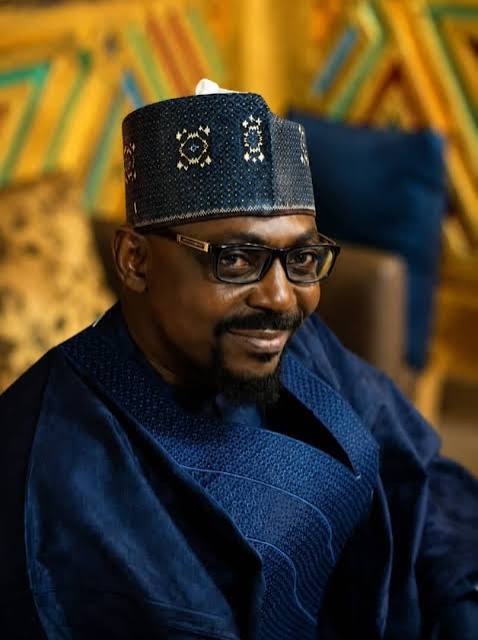
Dr. Mohammed Ndarani SAN
A Message from the Flagbearer

"Your Vote is Your Sacred Constitutional Sovereignty"

"As a Senior Advocate of Nigeria and someone who has dedicated his entire adult life to the defense of constitutional justice, I assure the good people of Niger State that every vote cast for the Social Democratic Party will be defended across all 4,950+ polling units. Protect your PVC, turn out peacefully, and vote for the Horse symbol."

— His Excellency, Dr. Mohammed Ndarani Mohammed, SAN (SDP Gubernatorial Candidate)

Frequently Asked Questions (Election & Campaign)

Dr. Mohammed Ndarani Mohammed, SAN is a Senior Advocate of Nigeria, constitutional jurist, scholar, and the official Social Democratic Party (SDP) Gubernatorial Flagbearer for Niger State in the 2027 General Elections, alongside his running mate, Japhet Pada Samson.
Voter Education • Campaign News Feed

Latest News & Campaign Updates

Pull down to refresh the feed on mobile.

Pull to refresh
Dr. Ndarani SAN Inaugurates 274-Ward Mobilization Directorate
Campaign TrailOct 18, 2026

Dr. Ndarani SAN Inaugurates 274-Ward Mobilization Directorate

The SDP flagbearer commissions grassroots mobilization across all 274 wards of Niger State ahead of the 2027 polls.

Read full story

Agro-Allied Industrial Blueprint Unveiled in Bida
PolicyOct 15, 2026

Agro-Allied Industrial Blueprint Unveiled in Bida

A transformative agricultural industrialization plan to make Niger State Africa's primary food basket.

Read full story
Japhet Pada Samson Launches Tech Incubator Pledge
Youth EmpowermentOct 12, 2026

Japhet Pada Samson Launches Tech Incubator Pledge

Deputy candidate commits to 100,000 youth tech training slots across Minna, Bida, Kontagora and Suleja.

Read full story
Forest Guard Architecture Blueprint Presented
SecurityOct 09, 2026

Forest Guard Architecture Blueprint Presented

Multi-layered community vigilance and modern intelligence framework for safer Niger communities.

Read full story
Rule of Law Summit: SAN Pledges Justice Reforms
GovernanceOct 05, 2026

Rule of Law Summit: SAN Pledges Justice Reforms

Constitutional scholar outlines sweeping judicial and electoral integrity reforms for Niger State.

Read full story
Global & Local Campaign Solidarity

Fund the Rebirth of Niger State

Power grassroots mobilization, polling agent logistics, legal vigilance, and voter education across all 25 Local Government Areas. Every contribution fuels the victory of Dr. Mohammed Ndarani, SAN.

Crowdfunded Campaign Goal74.5% Funded
₦148,920,000
Target: ₦200,000,000 for 4,950 Polling Unit Safeguard
3,840 Donors
Nigerlites worldwide
100% Audited
Independent Ledger
Transparency Guarantee

All campaign contributions comply strictly with the Nigerian Electoral Act 2022 campaign finance guidelines. Funds are managed by accredited chartered accountants.

Select Contribution Amount

0Days Left

Vote the Horse Symbol

Dr. Mohammed Ndarani, SAN & Japhet Pada Samson